Rising like a great spine across Morocco, the Atlas Mountains are one of the country's most breathtaking treasures. Snow-dusted peaks, terraced green valleys, ancient Berber villages and roads that curl toward the sky await just beyond the cities. Whether you crave a gentle day among the foothills or a soaring drive over a high mountain pass, the Atlas rewards every kind of traveler. Here is your friendly guide to Morocco's magnificent mountains, and how to reach them with ease.
The three ranges — High, Middle and Anti-Atlas
The Atlas is really three ranges in one, each with its own personality. The High Atlas soars south of Marrakech and holds North Africa's tallest summit, Jbel Toubkal, along with the most dramatic scenery. The Middle Atlas, north-east toward Ifrane and Azrou, is a gentler world of cedar forests, lakes and rolling green plateaus. The Anti-Atlas, further south near Tafraoute and Taroudant, unfolds in pink granite, almond groves and quiet Berber villages. Together they give Morocco an astonishing variety of mountain landscapes within easy reach.
Imlil and Jbel Toubkal — the roof of North Africa
Just over an hour from Marrakech, the village of Imlil is the gateway to Jbel Toubkal, the highest peak in North Africa. Set among walnut groves and apple orchards, Imlil is the launching point for everything from an easy village stroll to a guided multi-day ascent. Even without climbing, the drive up is a joy — mud-brick hamlets, mountain streams and terraced fields climbing the slopes. Warm Berber hospitality, mint tea on a rooftop and clear mountain air make Imlil a wonderful first taste of the High Atlas.
The Ourika Valley — green escape from the city
Closest of all to Marrakech, the Ourika Valley follows a sparkling river up into the foothills. It is a favourite for a relaxed day out: riverside cafés with tables set right in the water, waterfalls at Setti Fatma, Berber markets and gentle walks among flowering slopes. Cool, lush and welcoming, Ourika offers a refreshing change of scene barely an hour from the red city. For the full experience, see our Ourika Valley day trip guide.
The Tizi n'Tichka pass and Aït Benhaddou
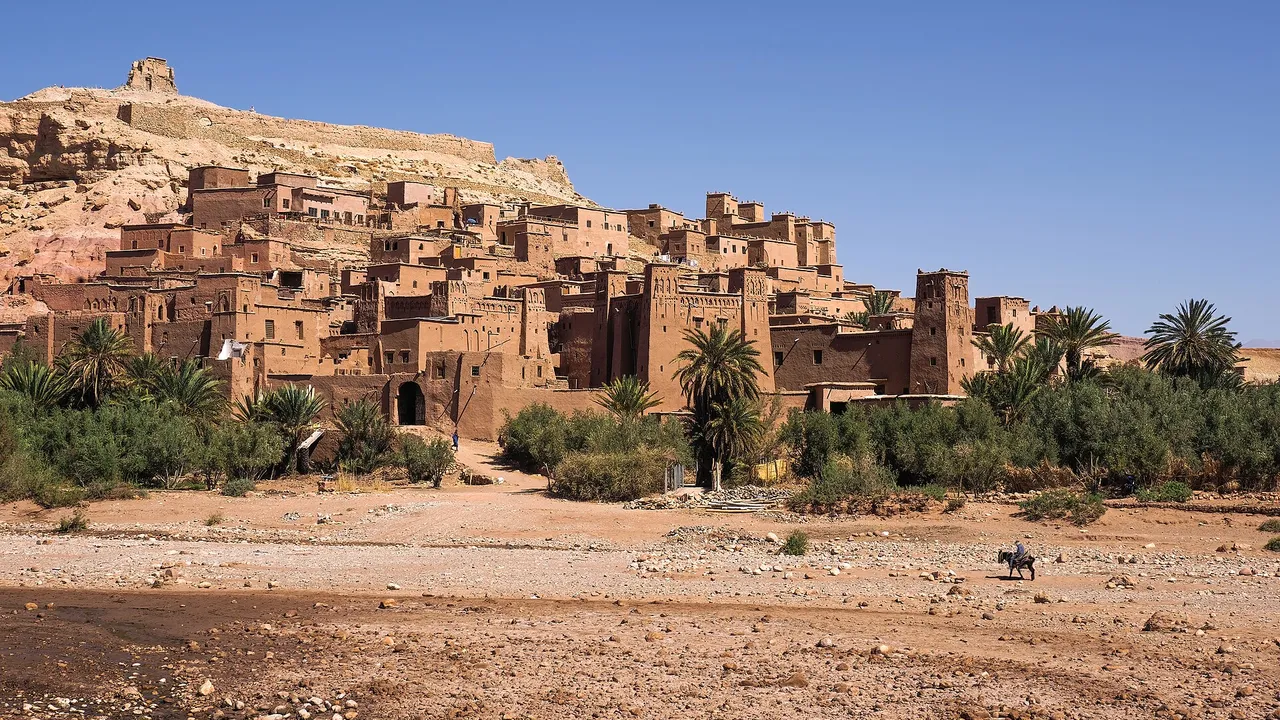
One of Morocco's most spectacular drives crosses the High Atlas over the Tizi n'Tichka pass, a beautifully engineered road that climbs above 2,200 metres before descending toward the desert south. Along the way lies Aït Benhaddou, a golden fortified village and UNESCO World Heritage Site whose earthen towers have starred in countless films. This scenic route is the classic gateway to Ouarzazate and the Sahara, threading through jaw-dropping mountain panoramas at every turn.
The Middle Atlas — cedars, lakes and Ifrane
North-east of the High Atlas, the Middle Atlas feels like a different Morocco entirely. The alpine town of Ifrane, with its tidy chalets and clean mountain air, is often called "little Switzerland," while nearby Azrou is famous for its vast cedar forests home to playful Barbary macaques. Crater lakes, waterfalls and green pastures make this a serene region for gentle walks and cool summer escapes — a lovely contrast to the desert and the coast.
Gorges and Berber villages — Todra and Dadès
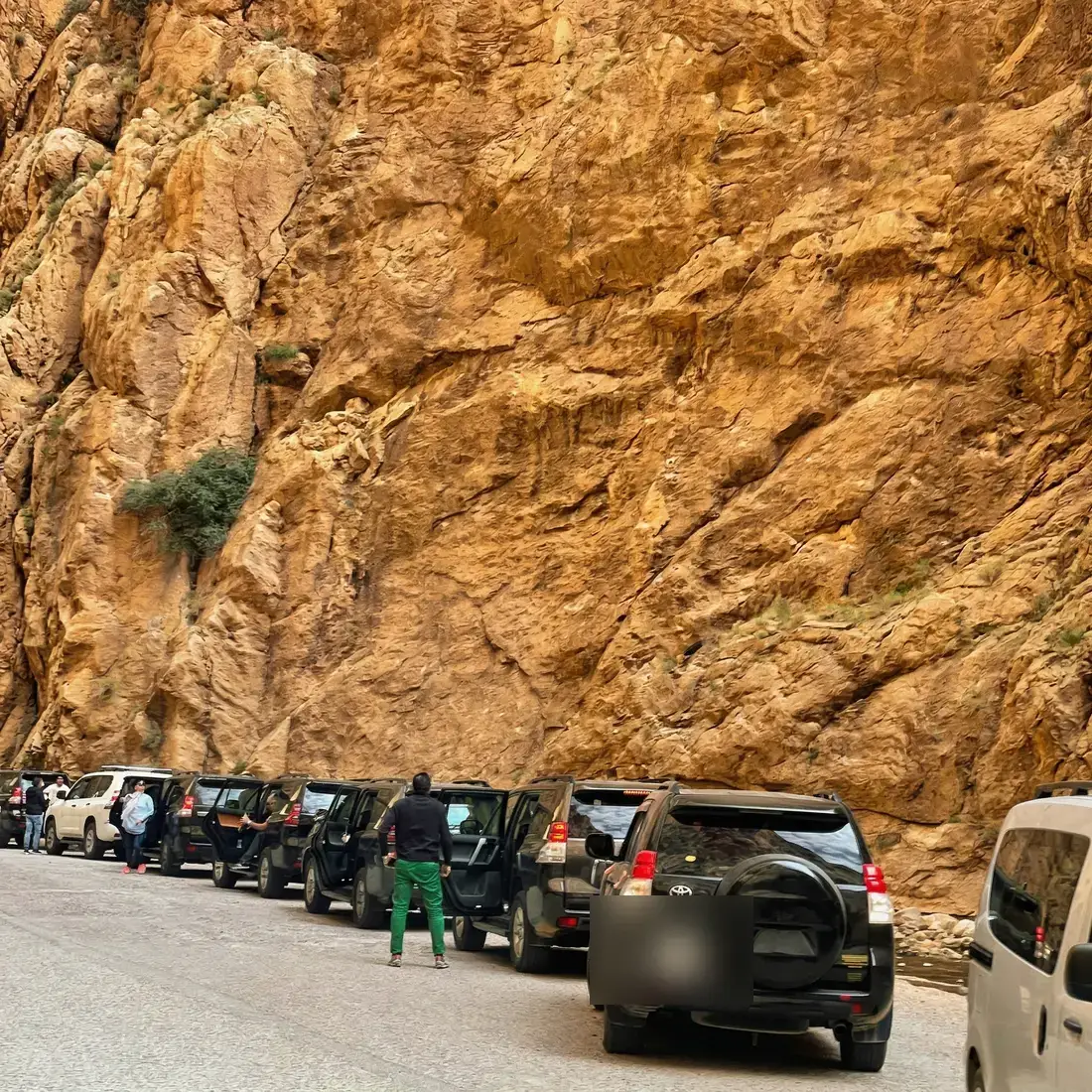
On the eastern edge of the High Atlas, the Todra and Dadès gorges carve dramatic canyons through rose-coloured rock, their sheer walls towering over palm-lined riverbeds. The winding Dadès road, with its famous switchbacks, is a photographer's dream, while the surrounding valleys shelter kasbahs, rose fields and welcoming Berber villages. This is one of Morocco's most cinematic landscapes and a highlight of any journey between the mountains and the desert.
Getting to the mountains in comfort
Reaching the Atlas is part of the adventure — and it is far more relaxing with your own driver. A private transfer takes you door to door from Marrakech or any airport straight into the mountains, so you can soak up the scenery instead of watching the road. Winding passes, high viewpoints and village stops are all handled for you at a fixed, all-inclusive price. We provide private transfers and drivers across Morocco, and a private driver is the ideal way to explore the Atlas at your own pace — see our private driver in Morocco guide. If a mountain-to-desert journey tempts you, our Marrakech to the Sahara guide and best time to visit Morocco guide will help you plan.
FAQ — the Atlas Mountains
Can you visit the Atlas Mountains from Marrakech in a day?
Yes, easily. The Ourika Valley and Imlil are each about an hour from Marrakech and make superb day trips, offering waterfalls, Berber villages and mountain views. With a private driver you can even combine a couple of valleys in one relaxed day.
Do you need to hike to enjoy the Atlas?
Not at all. While the peaks reward serious trekkers, much of the Atlas's beauty is enjoyed simply by driving the scenic passes, sipping tea in a mountain village or strolling beside a river. There is a level for everyone, from gentle walks to summit climbs.
When is the best time to visit the Atlas Mountains?
Spring and autumn are glorious, with green valleys, wildflowers and clear skies. Summer is pleasantly cool at altitude — a welcome escape from the heat of the plains — while winter brings snow to the high peaks and even a small ski season at Oukaïmeden.
Is it easy to reach the mountains without a car?
The most comfortable way is with a private driver, who handles the winding roads and lets you stop for photos and villages along the way. It turns the journey itself into a highlight rather than a logistics puzzle.
What are the must-see spots in the Atlas?
Imlil and Toubkal for high-mountain grandeur, the Ourika Valley for an easy green escape, the Tizi n'Tichka pass and Aït Benhaddou for cinematic scenery, Ifrane and the cedar forests of the Middle Atlas, and the Todra and Dadès gorges for dramatic canyons.
Dreaming of the Atlas Mountains? Book your airport transfer or private driver on planmorocco.com — fixed prices, English- and French-speaking drivers, name-board welcome and flight tracking, available 24/7.
Atlas 4x4 & Berbers — Full day · 142 € per vehicle, up to 4 people
See the day trip and book →
Book in 2 minutes — fixed price, secure payment.
Get my price →Ask on WhatsApp
All our transfer prices, airport by airport →
Arriving in Marrakech? Airport → medina transfer (fixed price) · Clubs and resorts of Marrakech: all prices
All Morocco airport transfers →