The Sahara is the postcard image that gets most people to Morocco in the first place — golden dunes, camels at sunset, silence under more stars than you've ever seen. From Marrakech, the desert is closer than you think, but the planning has a few traps. This guide will walk you through the real options, the time investment, the costs, and the calls you need to make before booking.
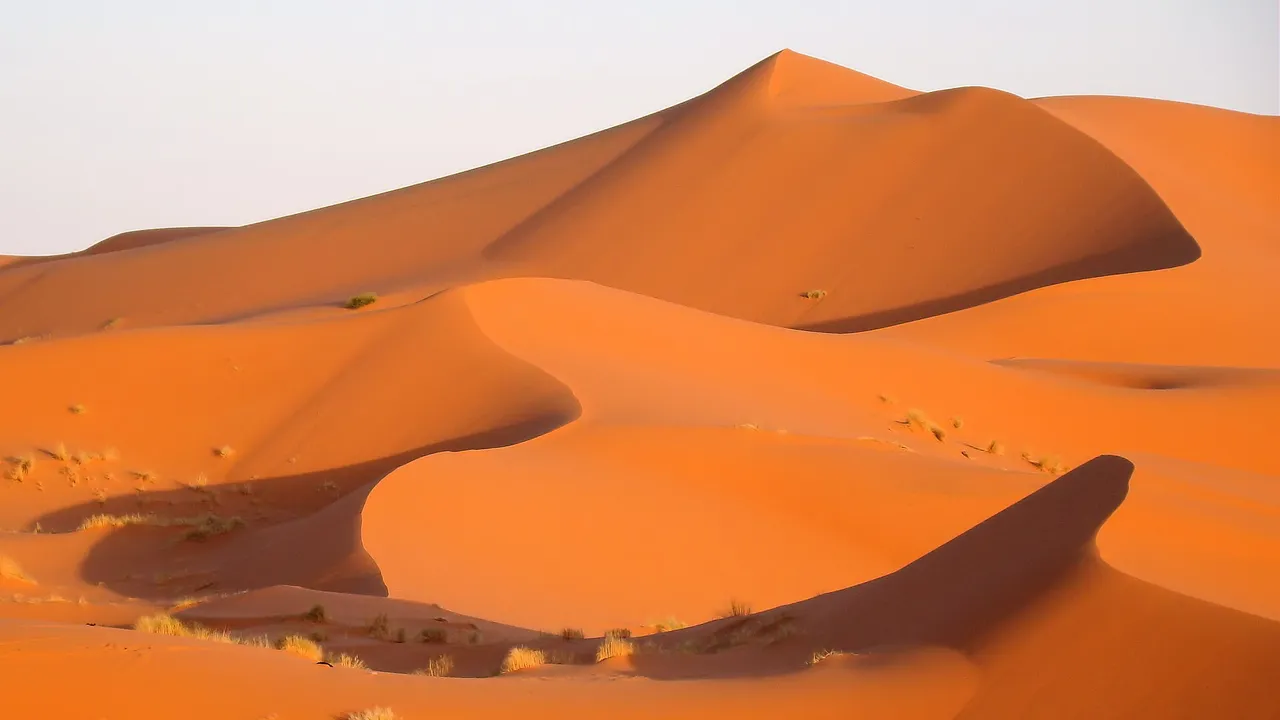
Two destinations, very different experiences
There is no "Sahara" in the singular. From Marrakech, the two practical options are:
Zagora and Erg Chigaga area
- Distance from Marrakech: ~360 km, ~7 hours one way
- Dunes: smaller, more accessible
- Atmosphere: quieter, less touristy
- Minimum trip: 2 days / 1 night
- Trade-off: closer = less driving, but the iconic "tall orange dunes" image is less spectacular than Merzouga
Merzouga and Erg Chebbi area
- Distance from Marrakech: ~560 km, ~9–10 hours one way
- Dunes: Erg Chebbi, the tall, classic Sahara dunes (up to 150 m high)
- Atmosphere: more developed for tourism, more lodging options
- Ideal length: 3 days / 2 nights for a comfortable, unhurried trip
- Trade-off: much longer drive, but the visual reward is the real Sahara of the imagination
Recommendation : if you have only 2 days, go to Zagora. If you have 3 days or more, go to Merzouga. Doing Merzouga in 2 days is a known mistake — you spend 18 hours driving for one short evening in the dunes.
What a classic 3-day Marrakech → Merzouga itinerary looks like
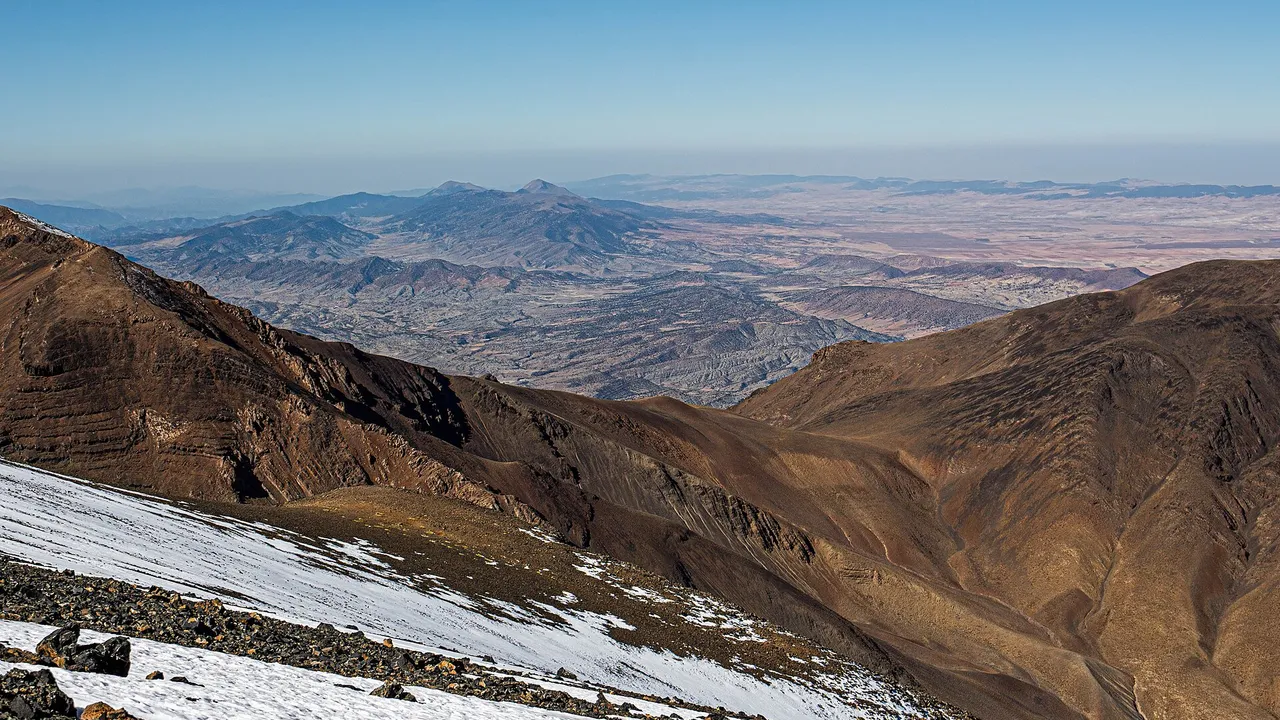
Day 1 — Marrakech to Dades Valley (~340 km, ~8 hours with stops)
- Crossing the Tichka Pass (Atlas mountains, 2,260 m)
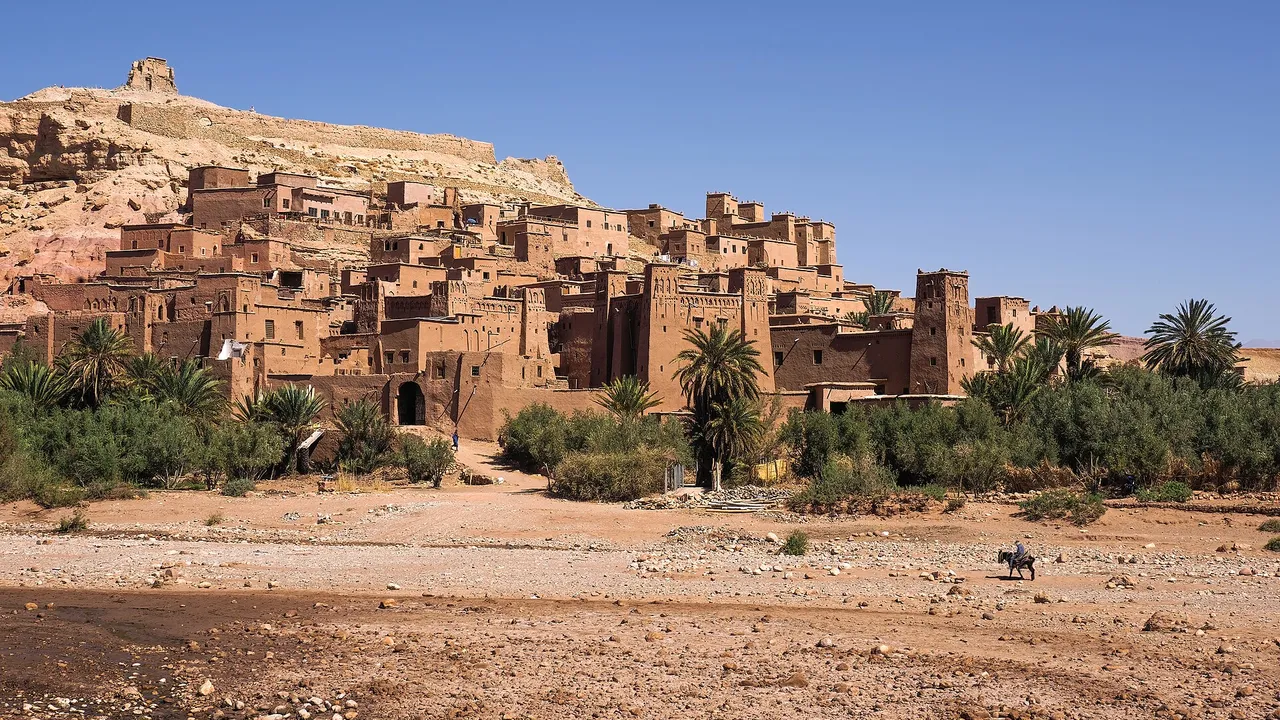
- Stop at Aït Benhaddou — UNESCO kasbah, location of Gladiator, Game of Thrones, Prince of Persia
- Lunch in Ouarzazate (option to visit Atlas Studios)
- Continue through the Skoura palm grove
- Overnight in the Dades Valley (kasbah hotel)
Day 2 — Dades to Merzouga (~270 km, ~5 hours with stops)
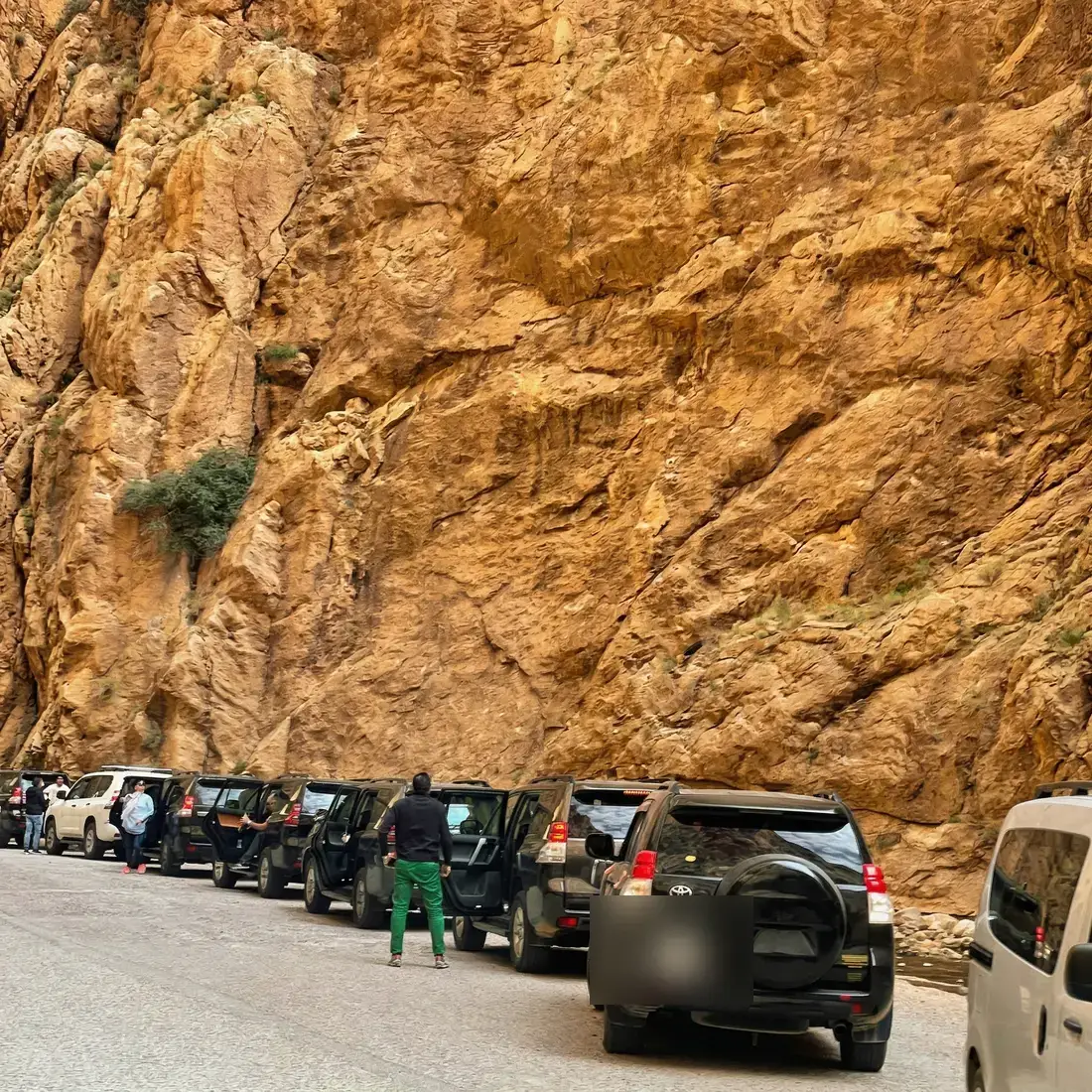
- Todra Gorge (canyon walk, 300 m cliffs)
- Tinghir palm grove
- Arrival in Merzouga late afternoon
- Camel trek (1–2 hours) into the Erg Chebbi dunes
- Sunset on a dune
- Night in a desert camp (standard tents or luxury "glamping" options)
Day 3 — Merzouga back to Marrakech (~560 km, ~9–10 hours)
- Sunrise in the dunes
- Camels or 4×4 back to base
- Direct return via Errachidia, Midelt, the Middle Atlas, and back to Marrakech
- Arrival in Marrakech late evening
Alternative: 4 days — add a night in Ouarzazate on the return for a calmer pace.
Group tour vs private tour — the honest comparison
Shared group tour
- Vehicle: 4×4 or minibus (6–16 people)
- Price: €75–150 per person for 3 days
- Pros: cheapest option, social, easy to book online
- Cons: fixed pace, fixed stops, fixed lunch spots (often where the operator has a commission), no flexibility, mixed group dynamics
Private tour with driver
- Vehicle: private 4×4 or van for your group only
- Price: typically €500–1,200 for 3 days for the vehicle (1–6 pax) — works out per-person better as the group grows
- Pros: your own pace, your own stops, choice of accommodation tier, the driver becomes your guide for 3 days
- Cons: more expensive per person if you're 1–2 travelers
Rule of thumb : if you're a couple or solo, the price gap with a shared tour can be wide. For 3 or more travelers, the private option is often a similar or even better per-person value, with much more comfort and flexibility.
When is the best time to go?
The Sahara is a highly seasonal destination:
- October to April — ideal. Days are 18–28 °C, nights cool to cold (5–10 °C in December–January). Sunny, dry, perfect for dunes and camels.
- May, September — still good but hotter (28–35 °C). Manageable.
- June, July, August — the best time for the coast. In high summer the interior and the desert are hot (Merzouga often tops 45 °C), so it's the ideal moment for breezy Essaouira and Agadir; save the dunes for autumn and spring, when the desert is at its finest.
- Ramadan period — operations continue but some restaurants close during the day. Confirm with your operator.
The "best month" is widely considered to be March, April, October, November.
What to pack for the desert
- Layers — the Sahara is cold at night, hot at midday. T-shirt under a fleece under a windbreaker.
- Closed walking shoes for the Atlas stops, sandals or trainers for the dunes (sand will get in)
- A scarf or shemagh — useful for sun, useful for sand wind. You can buy one for €5 in Merzouga if you forget.
- Sunglasses + sunscreen — sun bounces off the sand
- Headlamp or flashlight — desert camps have limited lighting
- Refillable water bottle — large bottled water is provided in the vehicle
- Camera, spare battery — golden hour in the dunes is the best photography light of your trip
- Cash in MAD — small purchases, tips, small souks along the way
Choosing your desert camp
Desert camps in Erg Chebbi span three tiers:
- Standard camp — Berber tents, shared bathrooms, basic mattresses. €25–40 per person.
- Comfortable camp — private tents with en-suite bathroom (cold water often), beds, dinner around a fire. €60–100 per person.
- Luxury camp — large suite-style tents, hot showers, high-end bedding, candlelit dinner, sometimes a pool. €120–300 per person.
PlanMorocco can book any tier as part of a private tour. If the desert camp is the highlight of the trip for you, paying up for at least the "comfortable" tier is a small premium that makes a real difference.
Smart tips for a great desert trip
"Camel ride included" — yes, but check how long. 30 minutes is a photo op. 1.5–2 hours is the real experience into the dunes.
Hidden commission stops — some shared tours stop at carpet shops, oil cooperatives, fossil shops where the guide gets a commission. Politely decline if you're not interested.
Sleeping in the desert "under the stars" — sounds romantic, but in winter (Dec–Jan) the desert nights are genuinely cold (close to 0 °C). Stick to a tent.
Single-night camps in summer — temperatures can stay above 30 °C until 2 a.m. Reconsider the trip dates.
Last-minute bookings — at peak season (Christmas, New Year, Easter), desert camps and 4×4s fully book out 2–3 weeks ahead.
FAQ — Marrakech to Sahara
Can I do a one-day Sahara trip from Marrakech?
No, not to the real dunes. You can do a one-day Atlas + Agafay (rocky "desert" 40 minutes from Marrakech) trip — that's a good Plan B if you really only have one day, but it isn't the Sahara. The Agafay landscape is striking in its own way but not sand dunes.
Is the road safe?
Yes. The road through the Atlas to Ouarzazate (Tichka Pass) is winding and scenic. It can be slower in winter if there is snow on the pass. Professional drivers know the route well.
Do I need a 4×4 the whole way?
No. Sealed roads cover all of the route up to Merzouga village. A standard SUV is fine. The 4×4 segment is only the final 20 km on sand from Merzouga to the inner camps, which is usually included in your tour.
Are credit cards accepted in the desert?
Limited. Some camps accept cards; many don't. Bring sufficient cash for tips, drinks, small purchases.
Is the Sahara family-friendly?
Yes, with notes. The long drive days are tough on young children (under 6). Once at the camp, kids generally love the dunes, the camels, and the camp atmosphere. Bring entertainment for the car (audiobooks, tablets).
What's the difference with going from Fès?
Fès → Merzouga is also possible and shorter (~470 km, ~7–8 hours). A common Morocco itinerary is Marrakech → Sahara → Fès (or reverse), avoiding the long return drive.
Article published by the PlanMorocco team. To book a private Marrakech → Sahara desert tour, including 4×4, English-speaking driver, and accommodation in your preferred tier of desert camp, visit planmorocco.com or message Sarah on WhatsApp.
Book in 2 minutes — fixed price, secure payment.
Get my price →Ask on WhatsApp