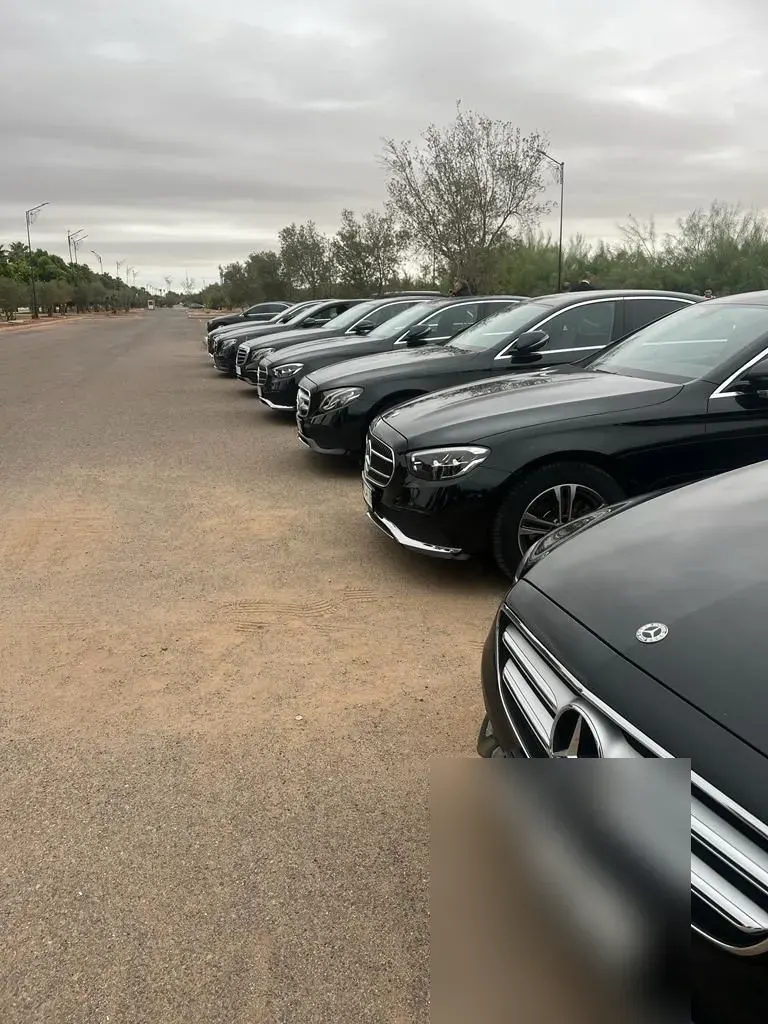
Getting around Morocco is easy once you know which mode fits your trip. Between major cities you have fast, comfortable trains; an extensive bus network that reaches small towns; shared grand taxis for short hops; and private drivers for door-to-door comfort. This guide breaks down every option — trains, buses, grand taxis, private transfers, car rental and domestic flights — with real prices and clear advice on who each one suits, so you can plan your route with confidence.
Train (ONCF) — fast and comfortable on the main line
Morocco's national rail operator, ONCF, runs frequent, air-conditioned trains along the country's busiest corridor. A Casablanca–Marrakech ticket costs about 140 MAD in 2nd class and 210 MAD in 1st class. The flagship Al Boraq high-speed line — the first in Africa — connects Tanger, Kénitra, Rabat and Casablanca, cutting the Tanger–Casablanca journey dramatically.
Strengths: comfortable, punctual, scenic, no traffic. Limits: only serves cities on the rail network; you still need onward transport at each end. Best for: solo travellers and couples moving between Tanger, Rabat, Casablanca and Marrakech.
Bus (CTM, Supratours) — the widest reach
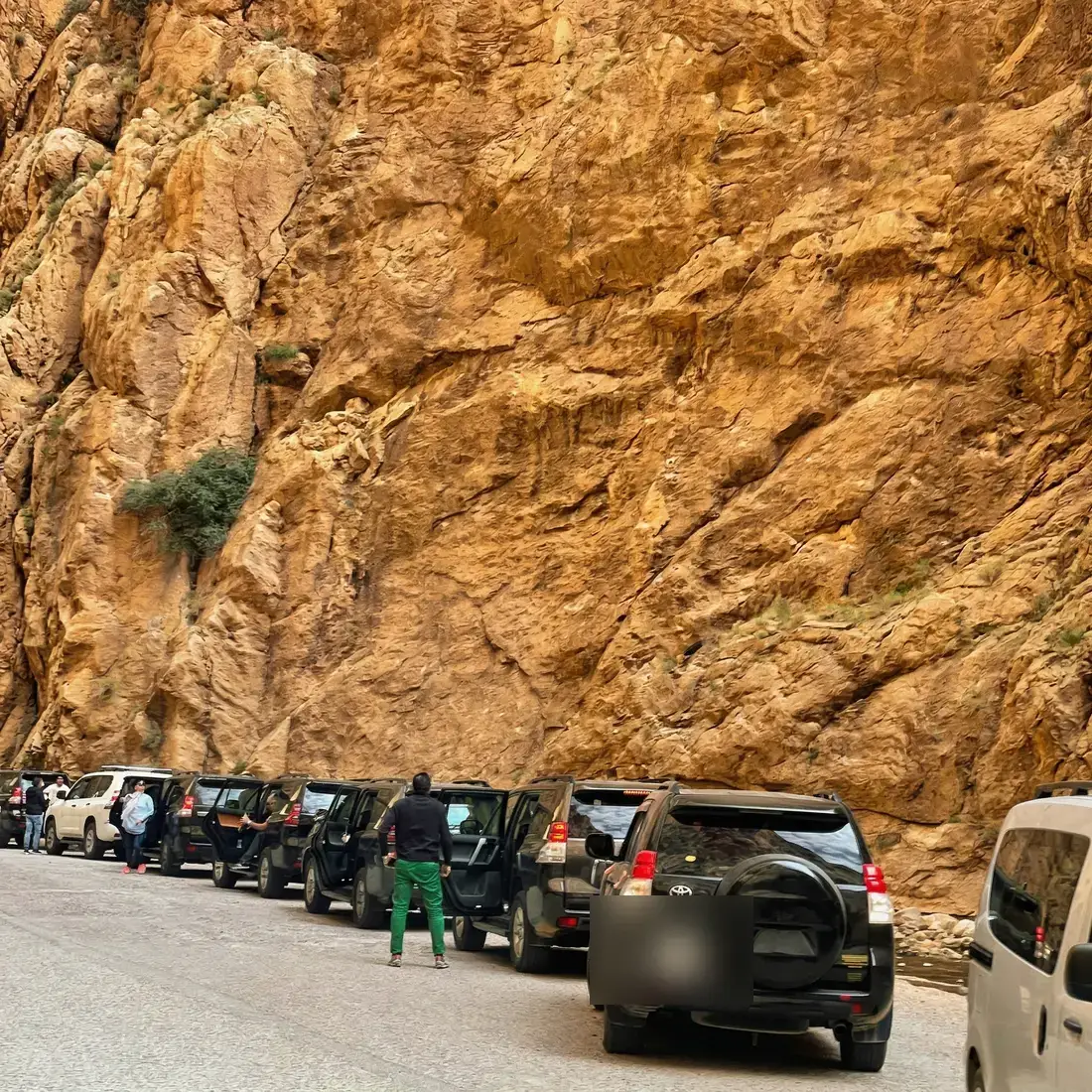
If a town has no train station, a bus almost certainly serves it. Operators like CTM and Supratours run modern, air-conditioned coaches across the country. Casablanca–Marrakech runs roughly 120–150 MAD, making the bus the budget backbone of Moroccan travel.
Strengths: the most extensive network, low cost, reaches small towns trains miss. Limits: slower than the train; fixed terminals rather than door-to-door. Best for: budget travellers and anyone heading somewhere off the rail map.
Grand taxi — shared rides between towns
The white shared taxis (grands taxis) cover short intercity routes. They leave once full — usually six passengers — with no booking and no fixed timetable. They're cheap and ever-present, but you trade comfort and flexibility: cramped seating, no air-conditioning guarantee, and you wait until the car fills.
Strengths: cheap, frequent, no reservation needed. Good to know: a lively, local way to travel; they leave once full, so for a set time and door-to-door comfort a private transfer is the easy choice. Best for: short hops between neighbouring towns when you're flexible on timing.
Private driver / private transfer — door-to-door comfort
A private transfer takes you from your exact pickup point to your exact destination, with a fixed price per vehicle confirmed at booking, a driver who speaks both French and English, and flight tracking when you depart from an airport. Prices depend on the route: a Marrakech–Agadir transfer starts from €167, while a full-day Essaouira excursion starts from €156 — always per vehicle, never per person.
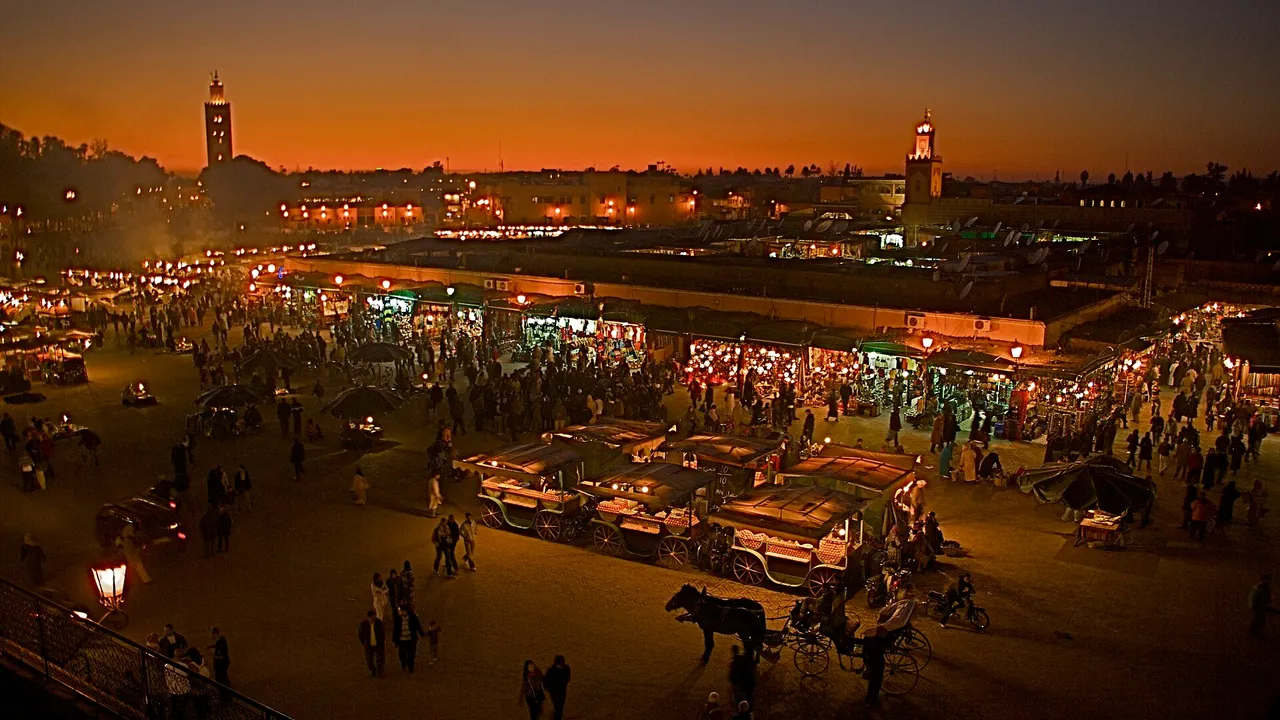
The clearest contrast is with an airport taxi: instead of haggling at the rank with a metered fare, you get a fixed price, a driver waiting with a name sign, and your flight monitored.
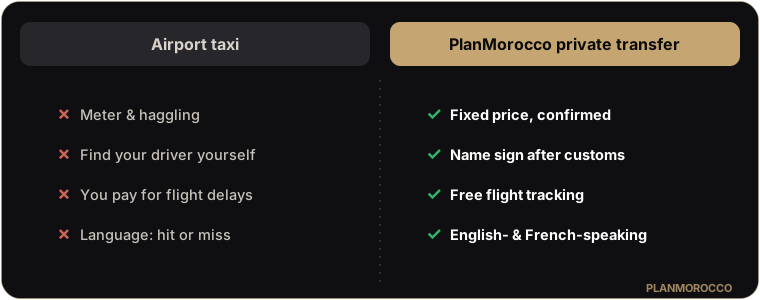
Strengths: door-to-door, fixed price, bilingual driver, comfortable, ideal on rural and desert routes. Limits: costs more than a shared bus or grand taxi. Best for: families, groups, first-time visitors, and anyone heading into the Atlas, the desert or the countryside.
What's included / not included
Included: fuel, tolls, a professional driver who speaks French and English, air-conditioning, and flight tracking on airport pickups.
Not included: lunch, site entrance fees, and a guide inside the sites themselves.
Car rental — freedom, but more stress
Renting a car gives you total freedom over your itinerary. The trade-off is the driving: navigating medina entrances, climbing Atlas passes, and the simple fact that you cannot park inside a medina. Add insurance paperwork and unfamiliar road habits, and many first-time visitors find the stress outweighs the freedom.
Strengths: complete flexibility and independence. Good to know: in cities a private driver is more relaxing — no parking to find, no paperwork; self-drive shines on the open roads of the south and mountains. Best for: confident drivers exploring at their own pace, away from the old cities.
Domestic flights (RAM) — only for very long distances
Royal Air Maroc (RAM) operates domestic flights, but they only make sense over very long distances — for example Tanger to Dakhla, where the road journey runs into days. For the well-connected north and centre, the train or a private driver is almost always faster door-to-door once you factor in airport time.
Strengths: saves a full day or more on extreme distances. Limits: airport transfers and check-in eat the time savings on shorter routes. Best for: crossing the country end to end, such as the far south.
Which mode should you choose?
| Traveller profile | Recommended mode |
|---|---|
| Solo / couple on a budget | Train (ONCF) or bus (CTM, Supratours) |
| Travelling Tanger ↔ Casablanca | Al Boraq high-speed train |
| Casablanca ↔ Marrakech | Train (140/210 MAD) or bus (120–150 MAD) |
| Reaching a small town with no station | Bus (CTM, Supratours) |
| Short hop between neighbouring towns | Grand taxi |
| Family or group with luggage | Private driver / transfer |
| First-time visitor wanting ease | Private driver / transfer |
| Desert, Atlas or countryside routes | Private driver / transfer |
| Crossing the country end to end (e.g. Tanger–Dakhla) | Domestic flight (RAM) |
| Confident driver, independent itinerary | Car rental |
FAQ
What is the best way to get around Morocco?
It depends on your route and group. Trains are best on the main Tanger–Casablanca–Marrakech corridor, buses reach towns with no station, and a private driver is best for families, groups, and rural or desert trips. Many travellers mix modes.
Is the train better than the bus in Morocco?
On the main rail corridor the train is faster and more comfortable — Casablanca–Marrakech is about 140 MAD in 2nd class. But buses (CTM, Supratours) reach far more destinations, including small towns the train doesn't serve, for around 120–150 MAD.
How much does a private transfer cost in Morocco?
It's a fixed price per vehicle, set by the route and confirmed at booking. For example, a Marrakech–Agadir transfer starts from €167 and a full-day Essaouira excursion starts from €156. The price covers the whole vehicle, not per person.
Should I rent a car in Morocco?
Only if you're a confident driver comfortable with medina entrances and Atlas passes. You can't park inside a medina, and the insurance admin adds friction. Many visitors prefer a private driver to skip the stress.
Are grand taxis safe and reliable?
Grand taxis are a normal way to cover short intercity routes. They leave once full (six passengers) with no booking, so they're practical but cramped and unscheduled. For comfort or longer trips, a private transfer is the better choice.
Do private drivers speak English?
Yes. PlanMorocco drivers speak both French and English. On airport pickups your flight is tracked, and the driver meets you with a name sign — no metered fare, just a fixed price agreed in advance.
Book your fixed-price private transfer at planmorocco.com, or message Sarah on WhatsApp for a quote — free cancellation up to 48 hours before pickup.
Book in 2 minutes — fixed price, secure payment.
Get my price →Ask on WhatsApp
All our transfer prices, airport by airport →
All Morocco airport transfers →