Morocco asks a little thought when packing: you might walk a hot medina, climb a cold mountain pass and shiver in the desert at night — all in the same trip. Pack in layers, dress with a little modesty in mind, and you'll be comfortable everywhere. Here's the complete list — and to fine-tune it around your dates, see our guide to the best time to visit Morocco.
The golden rule: layers
Temperatures swing hugely between midday and night, and between regions. A T-shirt under a light fleece under a windbreaker covers almost everything — add or remove a layer as the day and altitude change.
Clothing essentials
- Lightweight, breathable tops — cotton or linen for hot cities.
- A fleece or warm mid-layer — essential for desert nights and the Atlas, even in summer.
- A windbreaker or light rain jacket — wind on the coast (Essaouira) and the desert.
- Long, loose trousers and a long skirt or dress — comfortable, sun-smart and culturally respectful.
- A scarf (or two) — sun, wind-blown sand, and an easy shoulder/head cover for mosques or conservative areas. You can buy a beautiful one locally.
- Comfortable closed walking shoes for medinas and mountain stops, plus sandals for the coast and dunes.
Dressing respectfully
Morocco is relaxed with tourists, but a little modesty goes a long way, especially in medinas and small towns. Covering shoulders and knees keeps you comfortable and respectful. Women don't need a headscarf day to day, but one is handy for conservative areas and photos. Swimwear is for the pool and beach, not the streets.
Pack for the region you're visiting
- Desert (Merzouga, Zagora): warm layers for the night (it can near 0 °C in winter), a scarf against the sand, sunglasses, sunscreen, a headlamp, and closed shoes plus sandals.
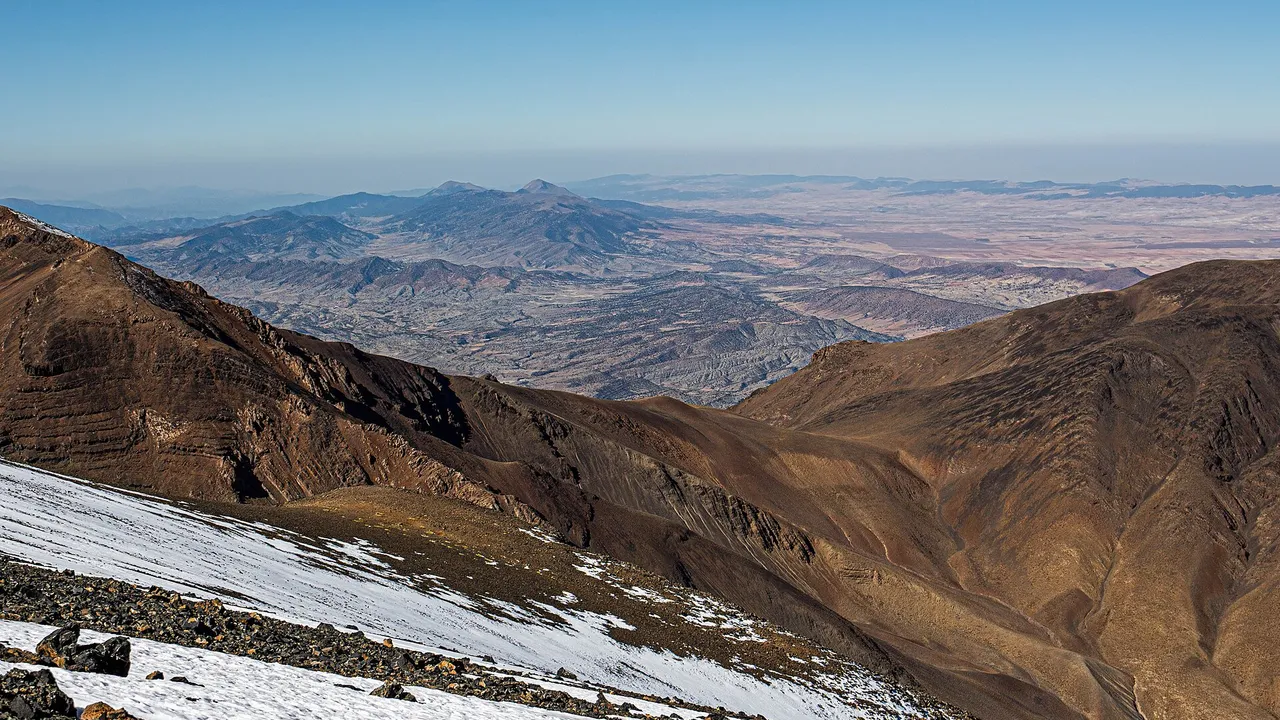
- Atlas mountains (Imlil, treks): proper walking shoes, a warm layer, and a rain shell. Snow on the passes in winter.
- Atlantic coast (Essaouira, Agadir): a windbreaker (Essaouira is famously breezy), plus normal summer clothes.
- Imperial cities (Marrakech, Fès): breathable clothing, comfy shoes for the souks, and a layer for cool evenings.
Don't forget
- Sunscreen and sunglasses — the sun is strong, and it reflects off sand.
- A reusable water bottle — stay hydrated; large bottled water is provided in private transfers.
- A European plug adapter — Morocco uses Type C/E sockets, 220 V.
- A small first-aid kit and any personal medication (bring enough for the trip).
- Hand sanitiser and tissues — handy for souks and rural stops.
- A day bag for excursions, and a little cash in dirhams for tips and small buys.
FAQ — Packing for Morocco
What should I wear in Morocco as a tourist?
Light, breathable clothing that covers shoulders and knees in towns, with layers for cool evenings and the desert. A scarf is useful for sun, sand and modest cover. Comfortable closed shoes are a must for the medinas.
Do I need warm clothes for the Sahara?
Yes. Desert days are warm but nights are cold — close to freezing in winter. Pack a fleece, a windbreaker and a scarf even if you're visiting in a warm month.
What plug adapter does Morocco use?
Morocco uses Type C/E sockets at 220 V — the same round two-pin plug as much of continental Europe. Bring a European adapter if your devices use a different plug.
Do women need to cover their hair in Morocco?
No, a headscarf isn't required day to day. Covering shoulders and knees is appreciated in medinas and small towns, and a scarf is handy for conservative areas or mosques.
Travelling soon? Book your airport transfer and private driver at planmorocco.com — large bottled water and air conditioning are included on every ride.
Book in 2 minutes — fixed price, secure payment.
Get my price →Ask on WhatsApp
All our transfer prices, airport by airport →
All Morocco airport transfers →