Marrakech is a city you take in with all five senses. Red earth at the foot of the Atlas, a UNESCO-listed medina, artists' gardens, sixteenth-century palaces and a contemporary design district, all within a few kilometres of each other. Two days leave you with a very sharp memory of it; a week still isn't enough to see everything. Here is what to see, in what order, and how to get around.
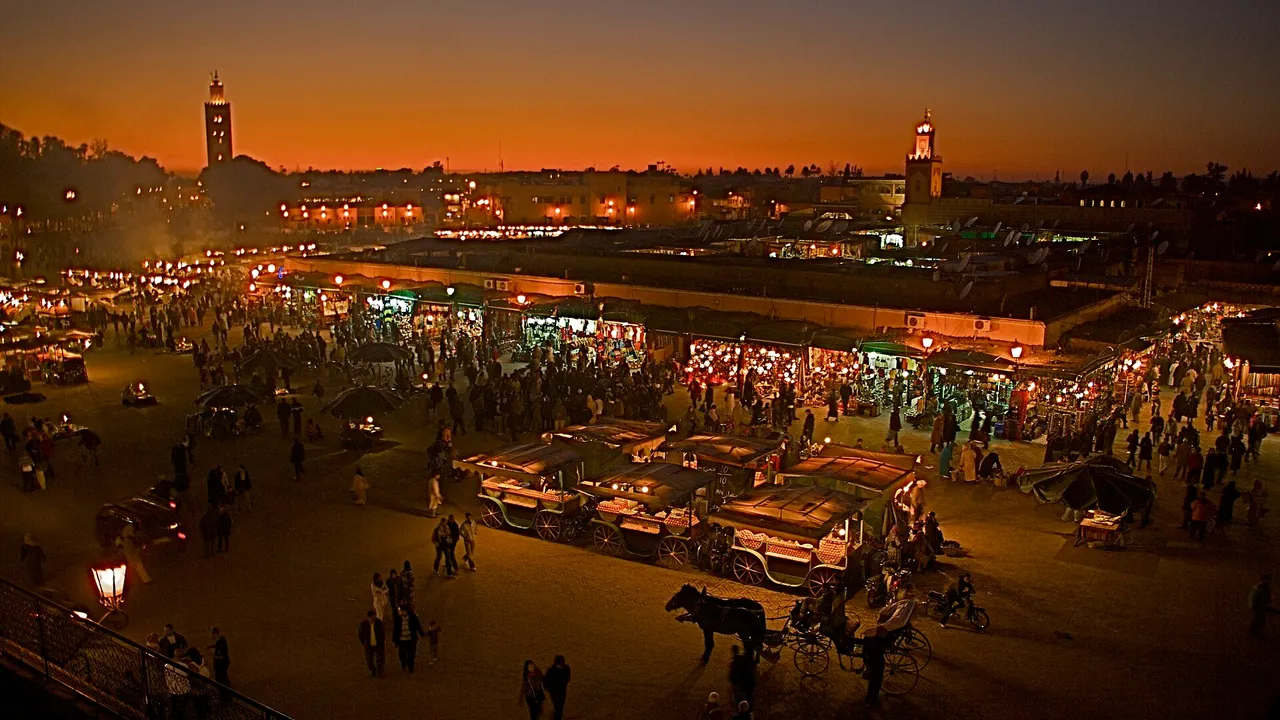
Jemaa el-Fna, the square that sets the rhythm
This is the heart of the city and your natural landmark. In the morning the square is calm and wide open; by late afternoon it fills with storytellers, Gnaoua musicians, orange-juice stalls and food carts that set up at sunset. Its oral heritage is inscribed by UNESCO on the list of the intangible cultural heritage of humanity — rare for a public square, and you can feel why.
The tip that changes everything: take a mint tea on a rooftop terrace at blue hour. The square lighting up, with the Koutoubia behind it, is one of the finest sights in Morocco.
The Koutoubia and the souks
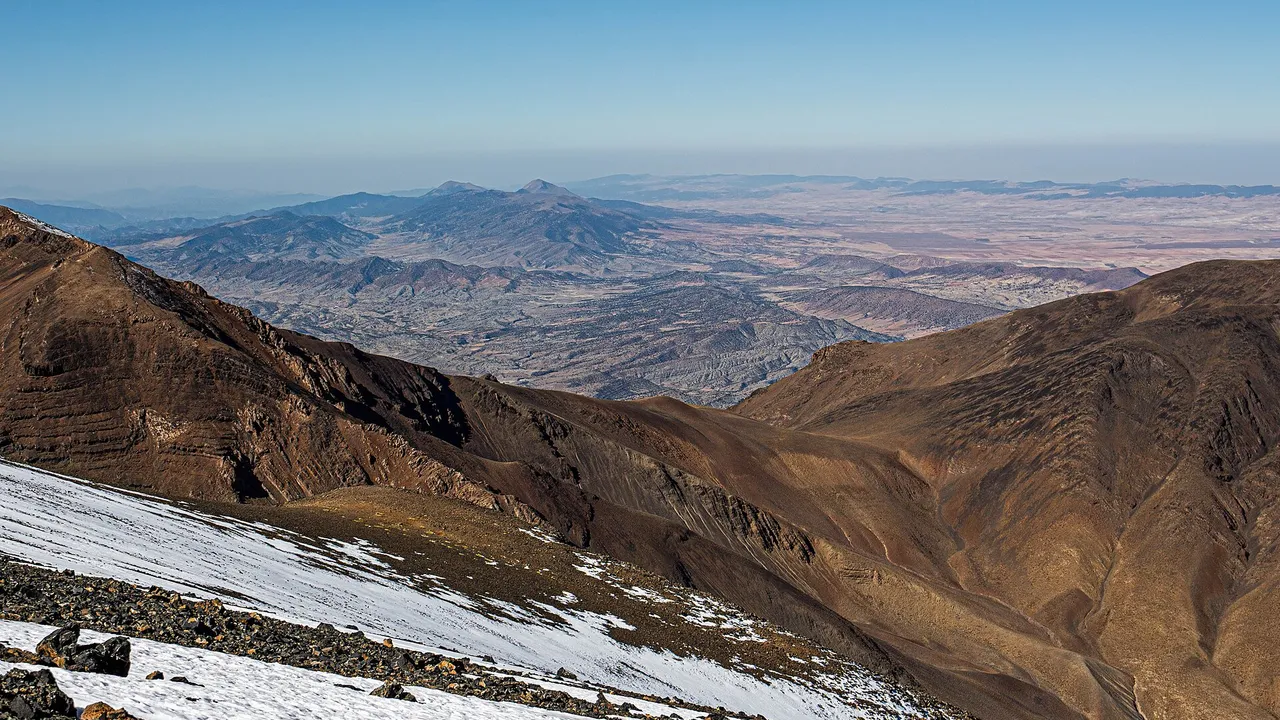
The Koutoubia is the great twelfth-century minaret that towers over the city — visible from almost everywhere, it works as a natural compass. Its gardens are a pleasant place to pause between visits.
Just north of the square begin the souks, a network of lanes organised by trade: dyers, slipper makers, ironworkers, basket weavers, spice merchants. Getting lost is the point, and it is where you find the crafts the city is known for — Atlas rugs, chiselled brass lanterns, Safi ceramics, leather, copper, thuya wood.
If shopping for beautiful pieces is exactly why you came, our Marrakech shopping day pairs a licensed official guide with a car, driver and boot space: you visit the workshops, we carry the purchases. And to prepare your shopping — where to go, what to bring home, how bargaining works — see our Marrakech shopping guide.
The gardens
Marrakech is a city of gardens, and they are a large part of the pleasure of visiting.
Jardin Majorelle — the famous one. Created by the painter Jacques Majorelle, it owes its intense cobalt blue to its founder and its survival to Yves Saint Laurent and Pierre Bergé, who bought it in 1980. The Yves Saint Laurent Museum next door rounds out the visit beautifully. Come at opening time: the morning light through the bamboo is superb.
Le Jardin Secret — deep in the medina, a restored riad-palace reopened to the public, with two gardens, a traditional irrigation system back in working order and a panoramic tower. The most elegant pause in the old city.
The Menara — a vast reflecting pool edged by a pavilion, set in an olive grove, with the Atlas behind it on a clear day. Simple, wide open, very photogenic.
The Agdal gardens — the huge royal orchards south of the city, inherited from the Almohad period. Large scale, a completely different feel from the centre.
Palaces, tombs and a medersa
Bahia Palace — a nineteenth-century palace built around planted courtyards and patios, with painted cedar ceilings that justify the visit on their own.
El Badi Palace — the monumental remains of Ahmed al-Mansour's Saadian palace. Only the walls and the sunken pools survive, and that is precisely what makes it powerful. Storks nest along the ramparts.
The Saadian Tombs — a necropolis that stayed forgotten for centuries before being brought back to light in the early twentieth century. The Hall of Twelve Columns is a high point of Moroccan craftsmanship.
Ben Youssef Medersa — a former Quranic school reopened after a long restoration. Zellige tilework, carved stucco and cedar around a courtyard of perfect restraint.
Gueliz, the new town, and Sidi Ghanem
Beyond the ramparts, Marrakech changes character. Gueliz is the modern quarter: wide avenues, café terraces, art galleries, Moroccan designer boutiques. This is where the city lives day to day, and it is an excellent counterpoint to the medina.
Further north, the Sidi Ghanem district gathers the workshops and showrooms of contemporary Moroccan design — ceramics, textiles, furniture, fragrance. You go to watch things being made as much as to buy.
Eating well
The food is a reason to come in its own right. Not to be missed: tanjia marrakchia, the city's own speciality, slow-cooked in a clay urn; a tagine of lamb with prunes or chicken with preserved lemon; Friday couscous, a family moment across Morocco; and mint tea, poured from height, which accompanies nearly everything.
Tables run from the street food of Jemaa el-Fna to riad restaurants in the medina and contemporary addresses in Gueliz. Our guide to Moroccan food covers the dishes worth knowing.
Easy day trips from Marrakech
This is one of the city's great advantages: mountains, desert and ocean are all within a day.
- The Ourika valley — the closest green Atlas valley, about an hour away.
- Imlil and the Toubkal valley — high mountains, stone villages and noticeably cooler air.
- The Ouzoud waterfalls — the country's finest falls, in a spectacular setting.
- The Agafay desert — a stone desert forty-five minutes from town, perfect for sunset.
- Essaouira — the blue-and-white Atlantic town, about three hours away.
You can compare every option, duration and vehicle in our guide to the best day trips from Marrakech.
How long to stay
Two days cover the medina, one or two palaces and a garden. Three days let you add an Atlas day trip without rushing — the format we break down day by day in our 3-day Marrakech itinerary. A week opens the door to the desert, the coast, or both.
Getting around — and in from the airport
Marrakech Menara airport (RAK) sits about 6 kilometres from the centre, roughly fifteen minutes by road: one of the best-placed airports in the country. Our Marrakech airport transfer guide covers the runs to the medina, Gueliz, Hivernage and the Palmeraie.
Inside the medina you walk — the lanes were never made for cars, which is part of their charm. For everything else (gardens, Gueliz, Sidi Ghanem, the Palmeraie, day trips), a private car with driver stays the simplest option: a fixed price per vehicle agreed in advance, no meter, and the driver waits while you visit.
If you are travelling on, Marrakech connects well to the rest of the country: see our guides to Casablanca, Rabat, Tangier and Agadir.
FAQ — Marrakech
When is the best time to visit Marrakech?
Spring (March–May) and autumn (September–November) are ideal: mild days and superb light. Winter is very pleasant by day and cool in the evening. In summer you build the day around the morning and late afternoon, and the Atlas or the coast offer a refreshing escape.
How many days do I need?
Two days for the essentials, three to add a day trip without rushing, a week to combine city, mountains and desert.
Do I need a guide for the medina?
It is not required, but a licensed official guide changes the visit considerably: they open the right workshops, explain what you are looking at and save you a great deal of time in the souks.
Is Marrakech good for families?
Very much so. The gardens, the horse-drawn carriages, the square in the evening and the day trips all go down well with children. Child seats are provided free of charge on request in our vehicles.
Can I do everything on foot?
The medina, yes, and that is the best way to discover it. The gardens, Gueliz, the Palmeraie and Sidi Ghanem call for a vehicle.
How do I get from the airport to the centre?
About 6 kilometres and a quarter of an hour by road. A private transfer booked in advance meets you on arrival with a name sign, at a fixed price agreed when you book.
Book in 2 minutes — fixed price, secure payment.
Get my price →Ask on WhatsApp